

Protein Tracker for Levodopa Users
How Protein Affects Your Levodopa
Protein competes with levodopa for transport into your brain. Eating more than 10g protein in one meal can reduce levodopa absorption by 25-40%. For best results:
- Keep daytime meals under 7g protein
- Save higher protein foods for dinner
- Avoid protein supplements during the day
Your Protein Tracker
Meal Breakdown
When you take levodopa for Parkinson’s disease, what you eat can make a real difference in how well it works. It’s not just about timing your pills-it’s about what’s on your plate. A high-protein meal can seriously interfere with levodopa, leading to unpredictable motor fluctuations-sudden ‘off’ periods where movement becomes stiff, slow, or frozen. This isn’t a myth or a vague warning. It’s a well-studied, measurable interaction between amino acids in food and the drug you rely on to move.
Why Protein Gets in the Way of Levodopa
Levodopa doesn’t just float freely into your brain. It needs a special transport system to cross the blood-brain barrier. That system, called LAT1, is designed to carry large neutral amino acids (LNAAs)-like leucine, tyrosine, and phenylalanine-into the brain. These are the building blocks of proteins. But here’s the problem: levodopa uses the exact same transporters. When you eat a steak, a bowl of beans, or even a protein shake, those amino acids flood your bloodstream. They compete with levodopa for space on the transporter. And when they win, less levodopa gets into your brain. Studies show that a meal with more than 10 grams of protein can reduce levodopa absorption by 25-40%. A typical lunch with chicken, rice, and yogurt might contain 30-40 grams of protein. That’s enough to delay levodopa’s peak effect by over an hour and cut its overall effectiveness. The result? You might feel fine in the morning, but by midday, your tremors return, your steps get smaller, and you’re stuck in an ‘off’ state-even though you took your pill.Who’s Most Affected?
Not everyone with Parkinson’s experiences this. About 40-50% of people on long-term levodopa therapy develop noticeable motor fluctuations linked to protein. It usually shows up after 8-13 years of treatment. That’s because, over time, the brain’s ability to store and release dopamine weakens. You become more dependent on precise, consistent levodopa levels. Even small dips in drug delivery can trigger symptoms. People in Hoehn & Yahr stages 3 or 4-those with moderate to advanced disease-are most likely to benefit from dietary changes. Their motor control is already fragile. A single high-protein meal can turn a manageable day into a struggle. And the more years you’ve been on levodopa, the stronger this effect becomes.Three Dietary Strategies That Work
There are three main ways to manage this. None are perfect, but some work better than others.1. Protein Redistribution Diet (PRD)
This is the most effective approach. Instead of spreading protein evenly across meals, you eat almost all of it in the evening. Daytime meals stay under 7 grams of protein. That means breakfast and lunch focus on carbs, vegetables, fruits, and low-protein alternatives-like rice noodles, pasta, or special low-protein breads. Dinner is when you have your chicken, fish, eggs, or tofu. Why does this work? Levodopa is usually taken multiple times a day, mostly during daylight hours. By keeping protein low then, you give levodopa a clear path to the brain. At night, when you’re not taking doses or are less active, protein doesn’t interfere as much. Research shows PRD can reduce daily ‘off’ time by over 100 minutes and add 30 minutes of ‘on’ time. In one study, 61-100% of patients with motor fluctuations saw improvement.2. Low Protein Diet (LPD)
This cuts total daily protein to 0.6-0.8 grams per kilogram of body weight. For a 70kg person, that’s about 45-55 grams total per day. It sounds simple, but it’s hard. Most people eat 70-100 grams of protein daily. Cutting it in half means giving up meat, dairy, eggs, beans, and even some grains. Many lose weight, feel tired, or develop nutrient gaps-especially in vitamin B12 and iron, which are already common deficiencies in Parkinson’s. LPD helps, but not as much as PRD. One study found PRD reduced motor symptoms 35% more effectively than LPD. It’s also harder to stick with long-term.3. Low-Protein Products (LPP)
These are specialty foods designed to replace high-protein items. Think low-protein pasta, bread, or milk. They help people stay on a restricted diet without feeling deprived. But they’re expensive, hard to find outside North America and Europe, and only 22% of users say they’re satisfied with them. They’re a tool, not a solution.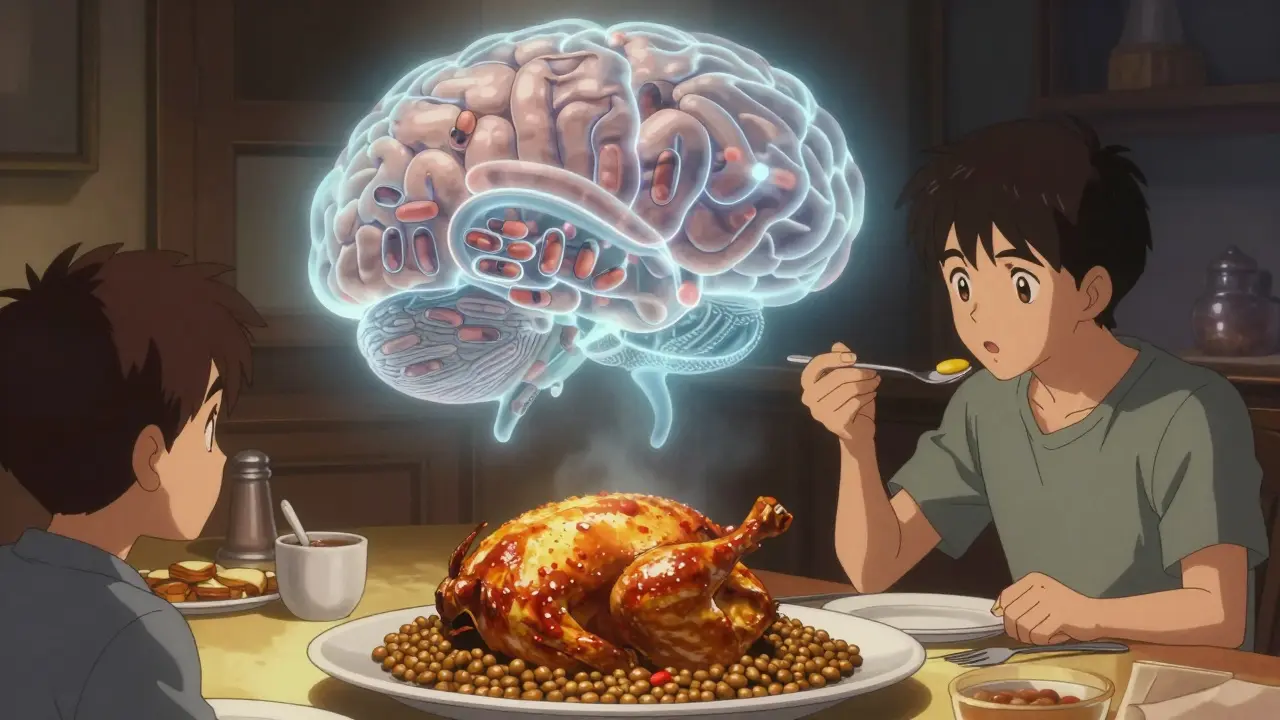
What About Timing?
Some doctors suggest taking levodopa 30-60 minutes before meals. It sounds logical: take the pill on an empty stomach so it absorbs before protein arrives. But it doesn’t always work. If your stomach empties slowly (common in Parkinson’s), the pill might sit there for hours. Or if you’re already in an ‘off’ state, you might not feel hungry enough to eat after taking it. One study found timing helped only 30-65% of people. Success depends on your individual digestion, how advanced your disease is, and whether you can consistently eat at the same time every day. For many, it’s not reliable enough.Real-Life Challenges
People with Parkinson’s don’t just struggle with symptoms-they struggle with social life. Over half of those trying protein restriction say they feel isolated. Going to dinner with friends? Avoiding the steak means explaining yourself. Attending a family holiday meal? Saying no to turkey feels like rejection. And then there’s weight loss. About 31% of people on strict low-protein diets lose more than 5% of their body weight in six months. That’s dangerous. Losing muscle mass makes movement harder, increases fall risk, and weakens immunity. But there are success stories too. One user on Reddit said, “I gained 2.5 extra hours of reliable mobility every day after switching to PRD.” That’s not hype. That’s measurable. Another person uses MyFitnessPal to track protein intake. A third uses a ‘protein holiday’-one high-protein meal at night, every few days-to stay sane.What Experts Say
The consensus? Don’t assume everyone needs this. Only 40-50% of people with Parkinson’s have clinically significant protein interference. Jumping into a strict diet without testing can do more harm than good. Experts recommend starting with a simple test: keep a food and symptom diary for two weeks. Note what you eat, when you take levodopa, and how you feel 1-2 hours later. Look for patterns. Did you feel worse after chicken? Did a light breakfast help you move better? If you see a clear link, work with a dietitian who understands Parkinson’s. They can help you design a plan that fits your culture, preferences, and health needs. One study showed adherence jumped 40% when meal plans included familiar foods from a person’s background-like lentils, rice, or tofu-instead of generic ‘low-protein’ substitutes.
What You Need to Do
If you’re on levodopa and notice your symptoms getting worse after meals:- Track your meals and symptoms for 10-14 days.
- Try taking levodopa 30-45 minutes before breakfast and lunch.
- Reduce protein at those meals to under 7 grams. Swap meat for pasta, rice, or fruit.
- Save protein for dinner.
- Use apps like MyFitnessPal to count grams of protein per meal.
- Ask your neurologist about checking your weight and nutrient levels every 6 months.
- Don’t cut protein entirely if you’re underweight (BMI under 20).
What’s Next?
Researchers are testing a new approach called “protein pacing.” Instead of cutting protein, they’re giving small amounts at timed intervals throughout the day to keep amino acid levels steady and avoid the spikes that block levodopa. Early trials show 68% of participants responded well-and adherence was much higher than with PRD. In the future, we might see medications that bypass the LAT1 transporter entirely, or wearable sensors that track amino acid levels in real time. But for now, the best tool you have is awareness.FAQ
Does every Parkinson’s patient need to restrict protein?
No. Only about 40-50% of people on long-term levodopa therapy experience noticeable motor fluctuations due to protein. If you don’t notice your symptoms worsening after meals, you likely don’t need to change your diet. Testing your own response with a food-symptom diary is the best way to find out.
Can I still eat meat if I have Parkinson’s?
Yes, but timing matters. If you’re following a protein redistribution diet, you can eat meat, eggs, or dairy at dinner. Avoid them at breakfast and lunch. Some people use a ‘protein holiday’-one high-protein meal every few days-to maintain balance without losing social connection.
How much protein is too much for levodopa?
More than 10 grams of protein in a single meal can start to interfere with levodopa absorption. A typical serving of chicken (100g) contains about 20-25 grams of protein. A cup of lentils has around 15 grams. For most people, keeping daytime meals under 7 grams of protein makes a noticeable difference.
Will cutting protein cause weight loss or nutrient deficiencies?
Yes, if done without guidance. Strict low-protein diets can lead to unintended weight loss, muscle wasting, and deficiencies in vitamin B12, iron, and zinc. Always work with a dietitian. Monitor your weight monthly and get blood tests every 6 months. If you’re underweight (BMI under 20), protein restriction is not recommended.
How long does it take to see improvement after changing my diet?
Most people notice changes in 2-4 weeks. Full adaptation to a new eating pattern, like protein redistribution, can take 6-8 weeks. Keep a daily log of meals, medication times, and symptom severity. This helps you and your care team adjust the plan accurately.
Can I use protein supplements or shakes?
Avoid them during the day. Most protein shakes contain 20-30 grams of protein per serving-enough to block levodopa. If you need extra calories or protein, use them only at dinner, or choose a low-protein nutritional drink designed for Parkinson’s. Always check the label.
I tried the protein redistribution thing and honestly? My husband went from barely walking to dancing in the kitchen. 🥹 I didn’t believe it until I saw it. Now we meal prep like it’s a survival show.
If you're noticing motor fluctuations after meals, start with a food log. No need to overhaul your life yet. Track for 10 days. You might be surprised what’s actually causing the ‘off’ times.
Oh great. So now I’m supposed to become a nutritionist AND a neurologist AND a chef just to take my damn pills? And if I eat a burger at lunch, do I just… stop moving? 😏
i tried the prd thing but i kept forgetting to eat dinner so i just ended up skipping meals. now i’m lighter than i was in college and my legs shake even more. maybe i just need to take more pills? 🤷♂️
Protein redistribution isn't a diet-it's a pharmacokinetic optimization strategy. By minimizing LNAAs during peak levodopa absorption windows (typically 8 AM–4 PM), you reduce competitive inhibition at the LAT1 transporter. This is evidence-based, not anecdotal. Track your plasma amino acid levels if you can, and pair it with timed-release formulations for maximal efficacy.
They don’t want you to know this… Big Pharma doesn’t profit from protein redistribution. They want you dependent on higher doses, more pills, more side effects. The LAT1 transporter? That’s not biology-that’s a cover-up. I’ve been on 1000mg/day and still move better than most. They’re hiding the real cure. 🕵️♂️
I am so proud of you for taking the time to understand this complex interaction. Your dedication to managing your health with such care is truly inspiring. Please remember: you are not alone, and every small step you take matters deeply.
I’ve been doing PRD for 8 months and it’s life-changing. But honestly? I just eat pasta for lunch and save the chicken for when I’m about to crash. My dog even knows when it’s protein time-she sits by the fridge at 6pm like a little waiter. 🐶
The assertion that protein redistribution yields measurable improvement lacks longitudinal, double-blind validation. While anecdotal reports abound, the clinical literature remains inconclusive regarding long-term functional outcomes. One must exercise caution before adopting dietary regimens that may induce iatrogenic malnutrition.
You people are so obsessed with Western diets. In India, we eat dal and rice daily-low protein? No. But we’ve been managing Parkinson’s for generations without this nonsense. Your ‘science’ is colonial. We don’t need low-protein bread-we need better healthcare.
I started tracking protein with MyFitnessPal and I’m shocked how much is in ‘healthy’ snacks-yogurt, protein bars, even peanut butter. I cut out the midday snacks and switched to fruit + hummus (low-protein version). My ‘on’ time jumped from 4 to 7 hours. YOU CAN DO THIS. 💪✨