

Understanding the Viral Reality
Most people know it as "the kissing disease," but few truly grasp the sheer persistence of Mononucleosisa viral illness caused by the Epstein-Barr virus. It isn't just a bad cold that takes its time leaving; it rewires your immune response. If you've been diagnosed recently, you might expect to bounce back in a week or two. Here is the hard truth: for many, the exhaustion lasts months. This condition represents more than a temporary inconvenience-it is a significant physiological event that demands a structured approach to healing.
The primary driver behind most cases of mono is the Epstein-Barr VirusEBVa herpesvirus type 4 that infects B-cells. By age 35, roughly 95% of Americans carry this virus. However, not everyone develops the symptomatic sickness known as infectious mononucleosis. When it strikes during adolescence or early adulthood, the immune system goes into overdrive, creating the classic "triad" of fever, swollen throat, and enlarged lymph nodes. Understanding this root cause helps explain why antibiotics fail completely-they target bacteria, not viruses like EBV.
The Signature Symptoms You Can't Ignore
Identifying mono can be tricky because the early signs mimic the flu or strep throat. You might notice extreme Fatiguea profound exhaustion affecting daily activity levels, which appears in 98% of confirmed cases. This isn't the usual tiredness you sleep off; it's often described as hitting a brick wall where basic tasks like showering feel exhausting. Another hallmark is lymphadenopathy, specifically the swelling of nodes in the back of your neck (posterior cervical region), seen in 70-90% of patients.
Throat pain is severe in about 85% of cases, sometimes leading to tonsillar exudates-white patches on the tonsils-that look strikingly similar to bacterial infections. Here is a critical pitfall: if you take amoxicillin or ampicillin thinking it's strep throat, there is an 80-90% chance you'll break out in a red maculopapular rash. This reaction doesn't mean you're allergic to penicillin permanently, but it does signal a viral etiology. Less common but serious signs include an enlarged spleen (splenomegaly) and jaundice, occurring in half of patients and 10% respectively. These physical markers serve as biological flags that your body is fighting a heavy load.
Diagnosing Beyond the Standard Tests
Doctors typically start with a quick screening called the Monospot test (heterophile antibody test). While convenient, it isn't perfect right away. Sensitivity is only around 85% in the second week of illness, meaning 25% of patients test negative in their first week despite being sick. If initial tests come back blank but symptoms persist, clinicians move to EBV-specific antibody panels. These measure specific markers: VCA-IgM indicates acute infection, while VCA-IgG persists for life, and EBNA appears months later. Getting the correct diagnosis prevents unnecessary antibiotic prescriptions and sets the stage for proper rest protocols.
Navigating the Recovery Timeline
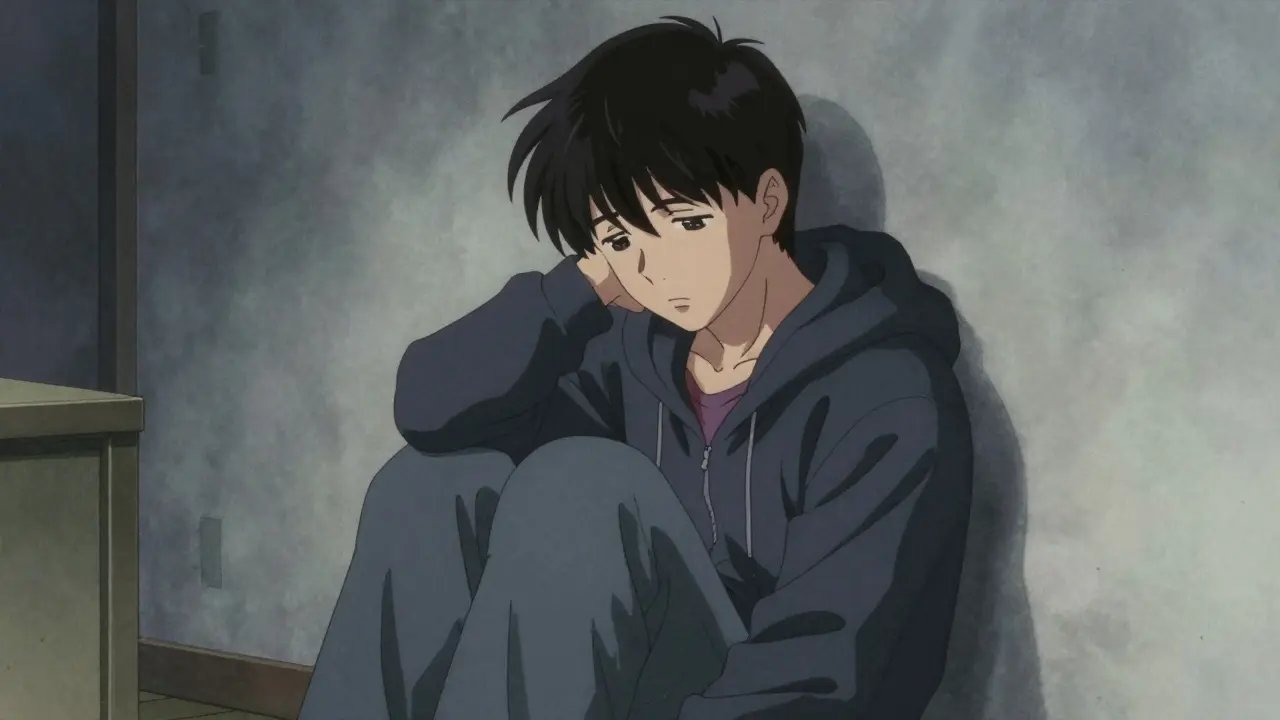
The recovery journey is non-linear. Unlike influenza, which clears up in days, mono follows a distinct curve. The acute phase usually spans 2 to 6 weeks, but the deep fatigue lingers much longer. Patient communities highlight that the "wall" often hits around week 5, where progress stalls. It is normal for full energy return to take 4 to 8 weeks, and some report lasting 2 to 4 months. Medical experts recommend a graded return to activity: start at 50% of your pre-illness capacity and increase by only 10% each week if symptoms don't worsen. Pushing through the fatigue often leads to relapse, extending the total recovery time.
Sleep hygiene plays a massive role here. You cannot "train through" viral exhaustion. Your body uses energy to rebuild the immune cells destroyed during the fight against the virus. A strategy known as the "Pacing, Prioritizing, Planning" method has shown effectiveness in controlled studies. This involves tracking your energy expenditure like a budget and ensuring you have rest blocks built into every day. Ignoring these signals risks transitioning into post-viral syndromes, where chronic issues become harder to reverse.
The Hidden Danger: Protecting the Spleen
A unique risk factor in mono management is the vulnerability of the spleen. An enlarged spleen creates a mechanical danger zone, particularly between weeks 2 and 4 of infection. While spontaneous rupture is rare (occurring in 0.1-0.5% of cases), contact with blunt force trauma significantly increases this risk. Guidelines from major health institutions specify no contact sports-like football, rugby, or hockey-for a minimum of 4 weeks. In severe cases, doctors may require an ultrasound to confirm the spleen has returned to normal size before clearing athletes for competition. This precaution is non-negotiable because a ruptured spleen is a surgical emergency.

Treatment Controversies and Options
You likely won't find a pill to "kill" the virus quickly. Current expert consensus holds that antiviral drugs like acyclovir do not alter the clinical course of illness, despite some older studies suggesting they reduce viral shedding. The focus remains strictly on symptom management: acetaminophen for fever, throat lozenges for pain relief, and hydration. Interestingly, corticosteroids are generally avoided unless airway obstruction from swollen tonsils threatens breathing. Some emerging research from 2023 suggests low-dose naltrexone might help persistent fatigue, but these remain investigational rather than standard care. Patience, rather than aggressive pharmacotherapy, remains the cornerstone of treatment.
Prevention and Long-Term Outlook
Since EBV is so prevalent, prevention focuses on hygiene basics like avoiding sharing drinks or utensils. While no vaccine exists yet for widespread public use, Moderna entered Phase I trials in 2023 showing promise with mRNA-1189. Long-term monitoring suggests that while most people recover fully, a subset of those who experience severe mono face slightly elevated risks for autoimmune conditions later in life. Monitoring your well-being during the recovery window is essential, as lingering fatigue beyond 6 months warrants a specialized check-up to rule out other underlying causes.
Just listen to your body and stop moving when tired
Evidently the biological imperative requires absolute stillness during acute phases rather than forceful exertion.
The data clearly supports complete cessation of activity to prevent splenic complications.
One must observe the warning signs immediately without hesitation.
This approach preserves the integrity of the immune architecture.
i remmber when i got sick teh doctor said rest is best u know
the fatigue was so real i couldnt even brush my hair sometimes
peple dont understand that its not just feeling sad
its literally your cells rebuilding themselves slowly
hope u find your strength back soon caus everyone heals different
its horrioble being down for so long my friends dont get it
i tried going to work after three weeks and passed out right there
my throat felt like swallowing glass shards constantly
every breath took effort that shouldnt exist for a simple virus
this illness changes how you see every single day forever
Please be gentle with yourself while your system repairs internally :)
It is okay to take extra time without guilt or shame attached
Your health is more important than any deadline you set
Moving forward takes courage but also patience with limits
You will get through this valley eventually with care :)
It is crucial to understand the timeline before panicking excessively.
Many people underestimate the immune system load significantly.
The fatigue is real and physiological fundamentally.
You cannot simply push through the barrier safely.
Rest becomes the primary form of medication required.
Hydration helps flush out toxins slowly effectively.
Pain management is secondary to energy conservation primarily.
Antibiotics can actually make things worse visually.
That rash indicates the viral nature clearly enough.
Spleen safety is non-negotiable during the peak phase.
Contact sports are absolutely forbidden for weeks strictly.
Even mild impacts can cause internal issues rapidly.
Monitoring daily energy expenditure matters immensely.
Plan your day like a budget ledger sheet accurately.
Recovery varies heavily based on individual biology specifically.
Patience remains the most vital tool you own entirely.
great advice thanks for sharing this info :)
everyone needs to hear about pacing and energy budget
ill pass this along to my workout group
stay safe out there folks :)
There is always light at end of tunnel even when it seems far away.
I have seen people recover fully after months of struggle.
The mind plays a huge role in the feeling of progress too.
Focusing on small wins helps rebuild confidence slowly.
We all go through difficult patches in life occasionally.
Your body knows what it needs to heal properly.
Trust the process even when it feels frustratingly slow today.