
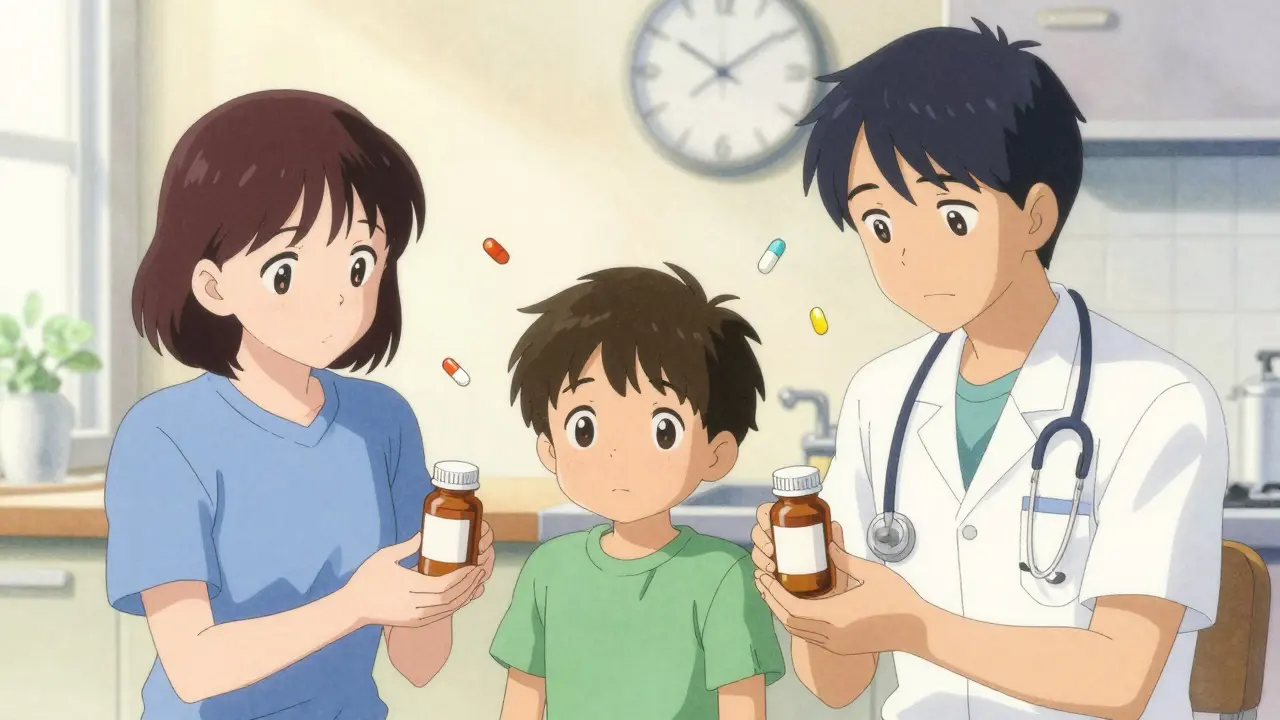
Every day, medication errors cause at least one death in the U.S., and half of those happen right at home. When someone accidentally takes two doses of the same medication, the consequences can be severe-overdose, dangerous side effects, or even hospitalization. But here's the good news: most medication double-dosing prevention efforts are simple and effective. Let's explore exactly how to keep your home medication routine safe.
Why Accidental Double-Dosing Happens
It's easy to assume that double-dosing only happens to forgetful seniors, but the truth is more complex. Multiple caregivers in a household often lead to confusion-like when one parent gives a child's medicine, then another does the same without knowing. Or when someone takes a pill, then later thinks they missed it because they're distracted. Even something as simple as switching pill bottles between rooms can cause mistakes. A 2023 study by Children's Healthcare of Atlanta found that 41% of pediatric double-dosing cases happened because kids initially refused medication, then accepted it later from another caregiver without clear communication. For older adults, the stress of managing multiple prescriptions can make even routine doses confusing. The key is recognizing these common triggers so you can address them proactively.
Pill Organizers: Your Simple, Reliable Ally
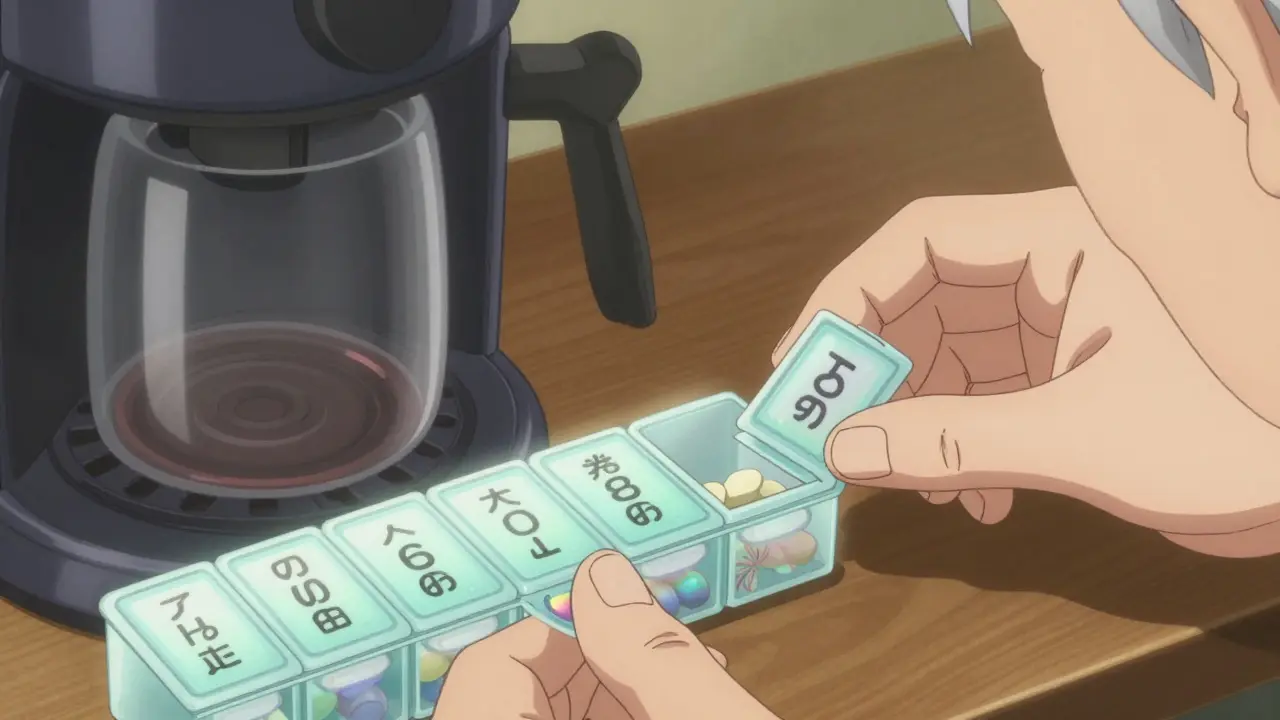
pill organizer is a compartmentalized container for storing medications by day and time, designed to prevent double-dosing. These tools are straightforward but powerful. A weekly pill organizer with separate compartments for morning, noon, evening, and bedtime doses lets you see at a glance if you've already taken your pills. WesleyLife's 2023 caregiver survey found that 68% of seniors use weekly pill organizers, and they reduce double-dosing errors by 35% on their own. But here's the trick: don't just fill it once and forget. Make it part of your routine-like placing it next to your coffee maker so you fill it every Sunday. A real-world example? A caregiver shared how her mom started taking seven medications after hip surgery. "The weekly pill organizer saved us," she said. "Now we can see at a glance what's been taken." For best results, pair it with digital reminders for even better protection.
Digital Tools That Actually Work
Smartphone apps like Medisafe have revolutionized medication management. Medisafe is a medication reminder app that tracks doses and sends alerts. In a 2022 study published in the Journal of Medical Internet Research, users of Medisafe reported 87% improved adherence rates. These apps sync across devices, so if you're traveling or have multiple caregivers, everyone stays on the same page. Right at Home Chesterfield notes that setting up a digital reminder system takes about 20-30 minutes initially, but it pays off. One 72-year-old patient avoided warfarin toxicity after implementing both a digital reminder and a medication journal. "Checking off each dose helped me realize I'd already taken my morning pills when I got confused during daylight saving time changes," he explained. The best part? Many apps are free and work on any smartphone-no special tech skills needed.
Measuring Medications Correctly
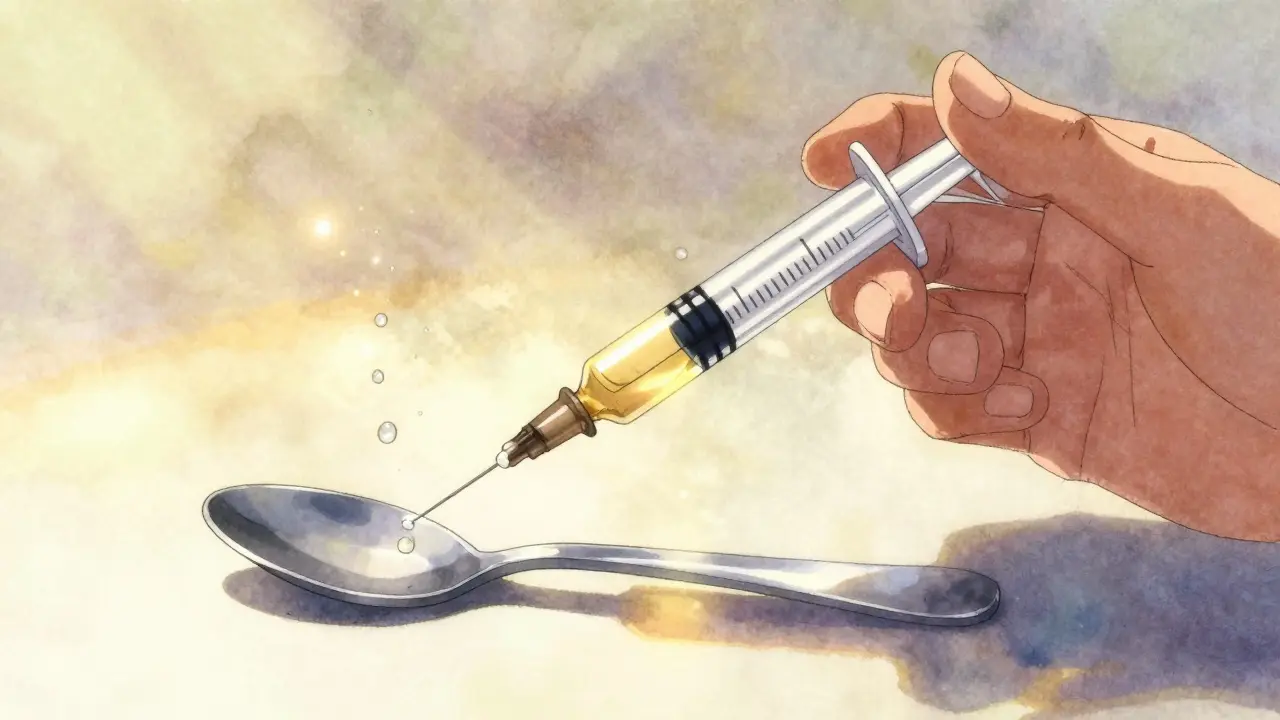
When it comes to liquid medications, using kitchen spoons is a dangerous habit. Children's Healthcare of Atlanta's 2023 safety data shows kitchen spoons vary in volume by 20-65%, which can lead to dangerous overdoses. Instead, always use the measuring syringe or cup that came with the medication. For kids, this is especially critical-many emergency room visits for medicine poisoning involve children taking medicine from family members' bottles. A simple rule: never use household spoons. If you lose the measuring tool, ask your pharmacist for a replacement. They're usually free and designed for precise dosing. This small step could prevent a life-threatening mistake.
Master Your Medication List
Many double-dosing incidents happen because people take two different medications that contain the same active ingredient. For example, taking a cold medicine and a pain reliever that both have acetaminophen. Right at Home Chesterfield recommends keeping a master list of all medications-prescription drugs, over-the-counter products, vitamins, and supplements. Include the name, dose, and why you take it. Update this list every time your doctor changes your regimen. A pharmacist at EssexCare Pharmacy in Lodi, New Jersey, shared that 32% of double-dosing incidents they documented in 2023 involved overlapping active ingredients patients didn't recognize. Writing it all down makes it easy to spot duplicates before they cause harm.
Clear Communication Saves Lives
When multiple people are involved in medication management, communication is key. St. Louis Children's Hospital advises designating one person as the "medication manager" for the household. This reduces double-dosing incidents by nearly 50% in families with multiple caregivers. For seniors living alone, setting up a daily check-in with a neighbor or family member can help. A simple text like "Did you take your meds today?" makes a big difference. During holidays or travel, when routines change, create a clear schedule and share it with everyone involved. Children's Healthcare of Atlanta documented a 33% increase in double-dosing incidents during holidays when caregivers weren't on the same page. A few minutes of planning can prevent a crisis.
What to Do If Double-Dosing Occurs
Even with the best precautions, mistakes can happen. If you or someone you care for accidentally takes a double dose, don't panic. Call the National Poison Control Center at 1-800-222-1222 immediately. They'll give you expert guidance based on the specific medication. For serious symptoms like vomiting, dizziness, or difficulty breathing, call 911. Keep this number saved in your phone-along with your doctor's contact info-so you're ready in an emergency. Remember: quick action is critical. The sooner you get help, the better the outcome.
What is the most effective way to prevent double-dosing?
The most effective approach combines multiple strategies. Using a pill organizer along with a medication reminder app reduces errors by 62%, according to WesleyLife's 2023 survey. Pair this with a master medication list and clear communication among caregivers for maximum safety.
Can I use kitchen spoons to measure liquid medicine?
Never use kitchen spoons for measuring liquid medications. Children's Healthcare of Atlanta found kitchen spoons vary in volume by 20-65%, which can cause dangerous overdoses. Always use the measuring tool provided with the medication or ask your pharmacist for a replacement.
How often should I update my medication list?
Update your medication list every time your doctor changes your regimen-whether adding, removing, or adjusting doses. Also review it monthly to ensure accuracy. This helps you catch duplicate ingredients and stay informed about your medications.
What triggers most double-dosing incidents?
Travel, schedule disruptions, and multi-caregiver households account for 67% of double-dosing incidents, according to EssexCare Pharmacy's 2023 data. Changes in routine, like holidays or vacations, often lead to confusion. Planning ahead for these situations can prevent mistakes.
What should I do if I accidentally take a double dose?
Call the National Poison Control Center at 1-800-222-1222 immediately. They provide expert guidance based on the specific medication. For severe symptoms like vomiting or difficulty breathing, call 911. Quick action is crucial-don't wait to see if symptoms develop.
In my culture, we always have a designated person to manage meds for elderly family members. It's a tradition in the Philippines-everyone checks in. I've seen this prevent so many mistakes. Even in the US, having someone else verify doses is a lifesaver. Simple things like a daily text to confirm meds taken make a huge difference. It's not just about the pills, it's about community. Trust me, this works. I've had friends who forgot their meds during stressful times, but a quick check from a cousin saved them. It's all about the people around you.
Implementing a standardized medication reconciliation protocol is essential. This process involves cross-referencing all current medications with new prescriptions to identify potential duplications. Utilizing RxNorm terminology ensures consistency across systems. Electronic health records with integrated decision support can flag conflicting medications in real-time. For example, when a new prescription is entered, the system checks for overlapping active ingredients. Studies show this reduces errors by 40%. Pharmacists should be integral to discharge planning. Their expertise in medication management is critical for patient safety. Consistent application of these protocols can significantly lower adverse events. Additionally, barcode scanning at the point of administration has been proven to reduce medication errors by up to 50%. It's also vital to educate patients on the importance of maintaining an updated medication list. This simple step can prevent many common mistakes. Healthcare providers must collaborate closely to ensure seamless transitions of care. Ultimately, a multi-faceted approach is necessary for maximum safety.
Oh my gosh, it's not just about community! Pharma companies are in cahoots with the government to make us double-dose! They want us to get sick so they can sell more drugs. I've read the reports. The pill organizers are part of the scheme-they're designed to make you think you're safe while they poison you. You should check out the whistleblower documents. It's all connected. The FDA is corrupt. Wake up before it's too late!
Oh my goodness!!! This is so important!!! I can't believe how many people don't know about this!!! Double-dosing can be deadly!!! It's terrifying!!! I had a friend who almost died because of this!!! We need to spread the word everywhere!!! Everyone needs to read this!!! It's crucial!!! Please share it with everyone you know!!! Thank you for this amazing guide!!! It's life-saving!!! I'm so grateful!!!
While the technical aspects of medication management are vital, one must also consider the human element. Medication adherence isn't just about systems-it's about trust, understanding, and empathy. The mind-body connection plays a role in how patients interact with their treatments. Perhaps the most overlooked factor is the emotional state of the individual. Stress can lead to mistakes, regardless of technology. A compassionate approach is necessary. We must remember that behind every pill is a person with fears and hopes. It's not just about the data-it's about the humanity.
Yeah, you're right about the human element. But also, sometimes the tech is important too. Like, using apps like Medisafe. They help people stay on track. I've seen it work. But you gotta remember, not everyone has access to smartphones. So maybe a mix of tech and community. Like, having a neighbor check in. Or family. Also, in some cultures, they use color-coded pills or different shapes. That helps people remember. I've seen it in my grandma's village. They use different colored bottles for different meds. It's simple but effective. Also, misspellings happen, like 'medicin' instead of 'medicine', but it's okay. Just keep it real. The key is to make it easy for everyone, no matter their background. And yeah, the emotional stuff matters too. It's all connected.
Pill organizers are a game-changer. Seriously.
Yup, totally agree! Pill organizers are awesome! I use one and it's saved me so many times. 😊 Also, the app reminder is great. But yeah, typos happen-like 'organizer' vs 'organiser'-but whatever. Just do it! 💯
America is the best at medication safety. Other countries don't have the systems we do. Pharma companies are trying to bring us down, but we're stronger. I've read about this. The FDA is doing a great job. We should export our methods to the world. They need to learn from us. It's all about American ingenuity. The rest of the world is falling behind. We need to protect our system from foreign interference. Always be vigilant.
The FDA is controlled by pharma. They don't want you to know the truth. America is not safe. Other countries have better systems. We need to wake up. The government is hiding the facts. Always question authority. This is a trap. You think you're safe but you're not.