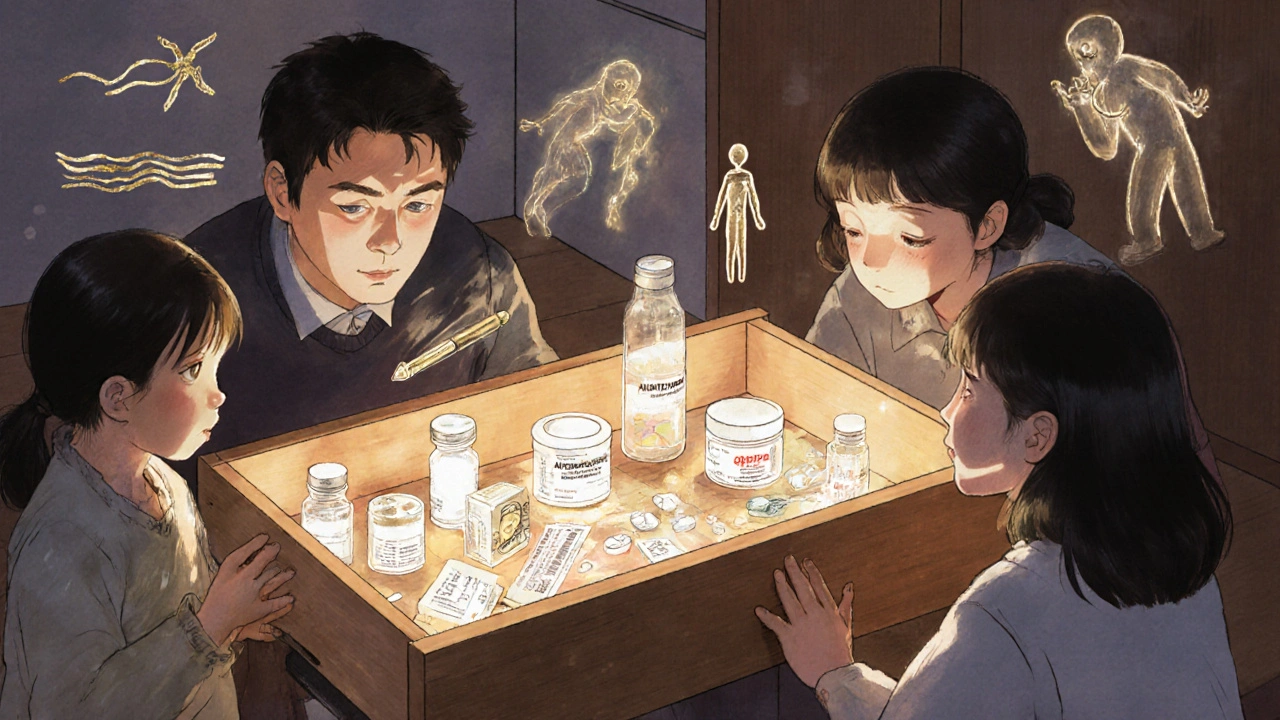
Adverse Drug Reactions: What They Are, How to Spot Them, and What to Do
When you take a medication, your body doesn’t always respond the way it’s supposed to. An adverse drug reaction, an unintended and harmful response to a medicine at normal doses. Also known as drug side effects, these reactions can range from a mild rash to organ failure—and they’re far more common than most people realize. The FDA estimates that adverse drug reactions lead to over 1 million emergency room visits every year in the U.S. alone. Many of these aren’t caused by overdoses or mistakes—they happen because a drug interacts with your body, another medication, or even your diet in ways no one warned you about.
These reactions don’t just happen randomly. They’re often tied to drug interactions, when two or more medications change how each other works in your system. For example, mixing statins with certain antifungals can trigger rhabdomyolysis, a dangerous breakdown of muscle tissue. Or taking anticholinergics for bladder issues might cause urinary retention in older men. Even something as simple as alcohol can turn a harmless pill into a threat to your liver. And if you’re taking five or more drugs—a condition called polypharmacy, the use of multiple medications, often by older adults or those with chronic conditions—your risk goes up dramatically. It’s not just about what’s in the pill; it’s about how your body, your age, your liver, and your kidneys handle the mix.
Some reactions are obvious—itching, dizziness, nausea. Others hide in plain sight. A sudden joint pain after starting a diabetes drug? That’s not just aging. A drop in energy or confusion after a new prescription? Could be your brain reacting to a drug you didn’t know could affect cognition. These aren’t "normal" side effects. They’re warning signs. And too often, people ignore them because they think the doctor already covered everything. But doctors don’t always know every possible interaction, especially when supplements or over-the-counter meds are involved. That’s why knowing what to watch for—and when to speak up—is your best defense.
What you’ll find below isn’t a list of scary stories. It’s a practical guide to understanding real cases: how a common antihistamine can be misused for skin infections, why generic drugs look different but work the same, how Medicaid helps cut costs without cutting safety, and what to do when a medication stops working—or starts hurting you. These aren’t theoretical concerns. They’re stories from real people who learned the hard way. And now, you can learn from them before it’s too late.