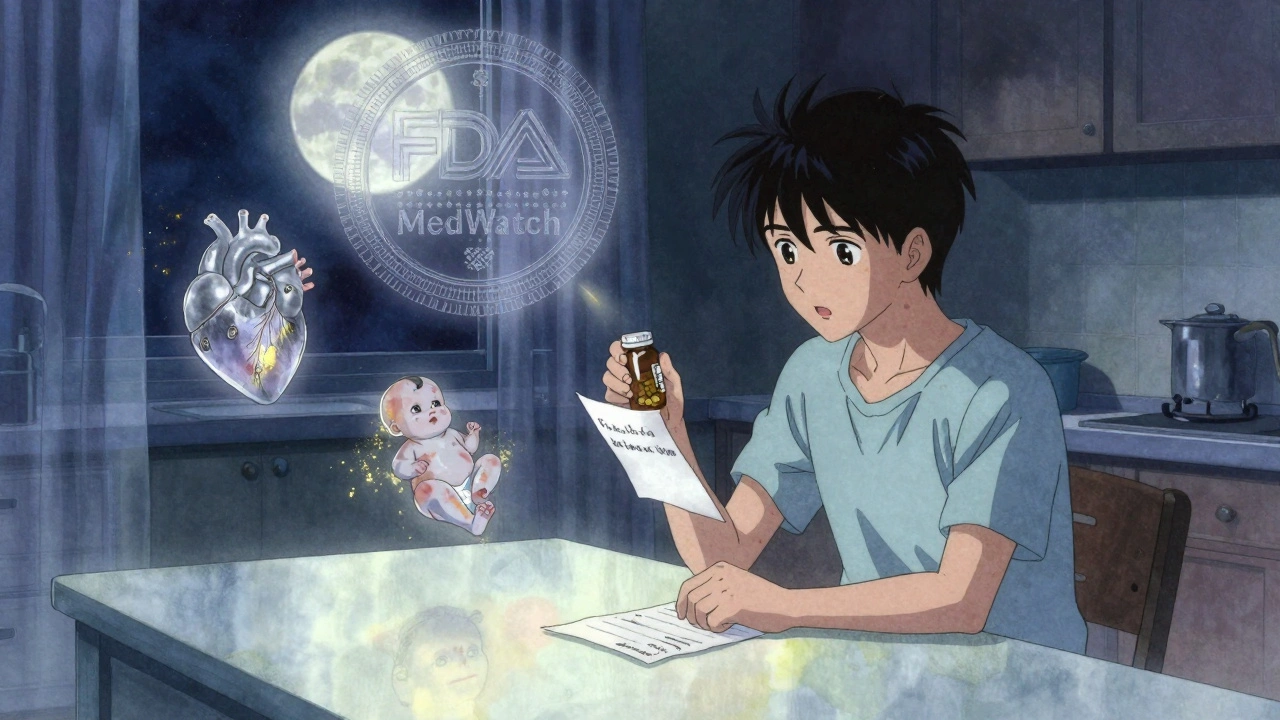
Drug Safety Reporting: What You Need to Know About Reporting Side Effects and Adverse Reactions
When you take a medication and something goes wrong—whether it’s a rash, dizziness, or something worse—you’re not alone. Drug safety reporting, the system that collects and analyzes adverse reactions to medications. Also known as pharmacovigilance, it’s the quiet backbone of medicine that keeps unsafe drugs off shelves and warns doctors about hidden risks. This isn’t just for big hospitals or scientists. It’s for you. Every time someone reports a strange reaction, it adds a piece to a puzzle that protects millions.
Most drug safety reports come from patients, caregivers, or pharmacists—not doctors. That’s because people notice things professionals miss: a new headache after starting a pill, a weird sleep pattern, or a swollen ankle that showed up two weeks into treatment. These aren’t "minor" complaints. One report might seem small, but thousands of similar reports? That’s how the FDA finds out that a common antibiotic can spike bleeding risk when mixed with blood thinners, or that a popular weight-loss drug might trigger pancreatitis in some people. Adverse drug reactions, harmful or unintended effects from medications taken at normal doses. They’re not always obvious. Some show up months later. Others only happen when two drugs are taken together—like statins and antifungals, which can cause dangerous muscle breakdown. That’s why drug interaction reporting, the process of flagging dangerous combinations. matters just as much as reporting a single side effect.
You don’t need to be a medical expert to report. If you feel something off after starting a new drug, write it down. Note the dose, when it started, and what happened. Then report it. The system exists because real people noticed problems before the science caught up. That’s how we learned that certain antidepressants can wreck sexual function in 35-70% of users, or that kids can accidentally overdose on OTC meds if dosed by age instead of weight. These aren’t hypotheticals. They’re real stories behind the data. And they’re why your report counts—even if you think it’s "just a side effect." The truth is, the safest drugs aren’t the ones with no side effects. They’re the ones where side effects are noticed, tracked, and acted on.
Below, you’ll find real-world stories and guides that show exactly how drug safety reporting shapes what you take, how you take it, and when you should speak up. From how Medicaid rules affect generic switching to why your pet got sick from your pill, these posts connect the dots between what happens in your body and what happens in the system designed to protect you.