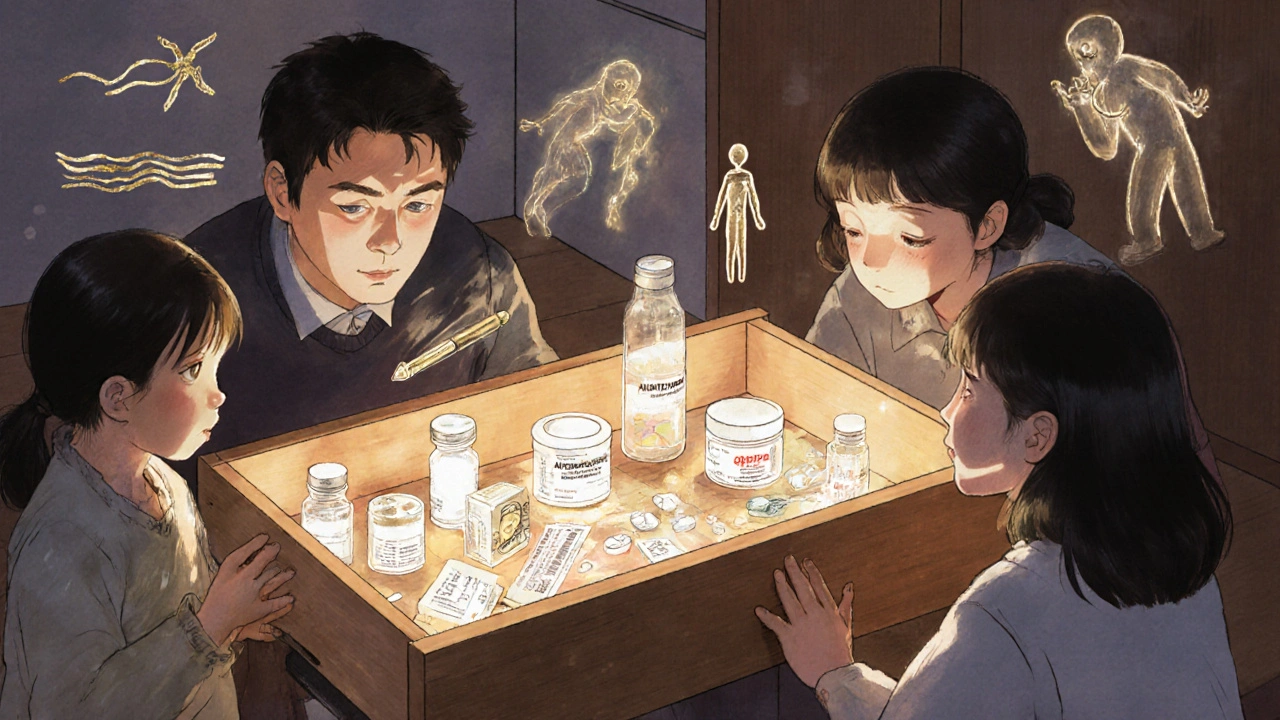
Emergency Kit: What to Include and Why It Matters for Home and Travel
When something unexpected happens—a fall, an allergic reaction, a sudden spike in blood pressure—your emergency kit, a curated collection of essential medical supplies and medications for immediate use during unexpected health events. Also known as a first aid kit, it’s not just about having things on hand—it’s about having the right things, at the right time, in the right condition. Most people think of bandages and ibuprofen, but a real emergency kit includes tools to handle drug interactions, recognize warning signs, and buy time until professional help arrives.
Think about the medication safety, the practice of using drugs correctly to avoid harm, especially when multiple medications are involved angle. If you or someone in your home takes statins, antifungals, or SSRIs, mixing them with over-the-counter remedies can be dangerous. A well-built kit includes a printed list of all current meds, known interactions, and emergency contacts—not just pills. It’s why posts like the one on statins and antifungals or supplement and medication interactions matter. Your kit should include a small notebook or card listing every drug, dose, and reason you take it. That’s not just smart—it’s life-saving.
Then there’s the first aid supplies, basic tools and materials used to treat minor injuries and stabilize serious conditions before medical help arrives. Gauze, tape, antiseptic wipes, and tweezers are basics. But what about epinephrine for severe allergies? Or naloxone if someone in your circle uses opioids? These aren’t optional extras—they’re critical for people with specific health risks. Seniors, caregivers, and families managing chronic conditions know this. That’s why guides on elderly medication dosing and IgA deficiency tie directly into what you keep in your kit. A person with IgA deficiency, for example, needs to warn medical staff before any transfusion. That info should be in your kit, not buried in a file folder.
And don’t forget emergency preparedness, the proactive steps taken to ensure safety and access to care during sudden health crises, whether at home or while traveling. It’s not just about having supplies—it’s about knowing how to use them. If someone has urinary retention from anticholinergics, do you know the signs? If alcohol withdrawal hits, what’s the safest way to respond before calling 911? Your kit should include clear, simple instructions—not just items. The posts on alcohol withdrawal, urinary retention, and SSRI sexual dysfunction show how common, overlooked issues can turn urgent. A kit without context is just a box.
What you find below isn’t a random list of articles. It’s a curated set of guides that answer the exact questions you’ll have when you open your emergency kit and realize you need more than a bandage. You’ll learn how to spot dangerous drug combos, what to do when a pill looks different, how to protect your liver after heavy drinking, and why some meds can stop you from peeing. These aren’t theory pieces—they’re real-world checklists, step-by-step warnings, and practical fixes. You’re not just reading about emergencies. You’re learning how to prevent them, manage them, and survive them.